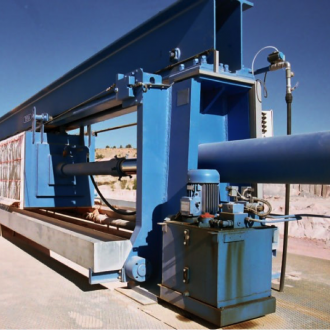
Yuri

Hydraulic Cylinder Parts

Understanding Hydraulic Cylinder Parts: A Detailed Breakdown of Components, Functions, and Materials

Introduction to Hydraulic Cylinder Parts

A hydraulic cylinder is a mechanical actuator that converts hydraulic energy into linear motion and force. It consists of multiple precision-engineered components that work together to ensure smooth and efficient operation. Understanding the key hydraulic cylinder parts, their functions, and materials is essential for maintenance, troubleshooting, and optimizing performance in industrial, construction, and mobile hydraulic applications.


1. Cylinder Barrel (Tube) – Structural Housing of the Cylinder

Function:

The cylinder barrel or tube is the main body of a hydraulic cylinder, designed to withstand high-pressure fluid forces while guiding the piston movement.

Material Selection:
  • Cold-drawn seamless steel (most common for durability and high-pressure resistance).
  • Stainless steel (used in corrosive environments, such as marine and chemical applications).
  • Aluminum alloys (for lightweight applications with lower pressure requirements).
Key Considerations:
  • The inner surface is honed or polished to reduce friction and improve seal life.
  • Must resist internal pressure and mechanical stress without deformation.


2. Piston – The Force-Transmitting Component

Function:

The piston divides the hydraulic cylinder into two pressure chambers and transfers hydraulic force to generate motion.

Material Selection:
  • Hardened steel (for heavy-duty applications requiring high strength).
  • Aluminum (for lightweight cylinders with lower loads).
Key Considerations:
  • Requires precise machining to maintain a close fit with the cylinder bore.
  • Often features wear-resistant coatings to prevent scoring and galling.

3. Piston Rod – Transmitting Force to the Load

Function:

The piston rod is a high-strength component that extends and retracts, transmitting force from the piston to the external load.

Material Selection:
  • Chrome-plated carbon steel (for corrosion and wear resistance).
  • Stainless steel (for marine and chemical industries).
Key Considerations:
  • Must have high tensile strength to resist bending under load.
  • Surface finish and chrome plating are essential to minimize seal wear.


4. Seals and O-Rings – Preventing Leaks and Ensuring Efficiency

Function:

Seals and O-rings prevent hydraulic fluid leakage, maintain pressure, and minimize internal friction.

Types of Seals:
  1. Rod Seals – Prevent fluid from escaping along the piston rod.
  2. Piston Seals – Separate pressure chambers to enable efficient force transfer.
  3. Wiper Seals (Scrapers) – Remove dirt and contaminants from the rod surface.
  4. Static Seals (O-Rings & Backup Rings) – Seal non-moving components like the end cap and barrel interface.
Material Selection:
  • Nitrile (NBR): General-purpose hydraulic seal material.
  • Polyurethane (PU): High wear resistance and flexibility.
  • Fluorocarbon (Viton®): High-temperature and chemical resistance.
Key Considerations:
  • Seals must be compatible with hydraulic fluid type and operating temperature.
  • Proper lubrication extends seal life and reduces friction.


5. Cylinder Head (End Cap) – Securing Internal Components

Function:

The cylinder head (or end cap) encloses one end of the cylinder and holds the rod seal and wiper seal in place.

Material Selection:
  • Steel or cast iron (for high-pressure applications).
  • Aluminum (for weight-sensitive applications).
Key Considerations:
  • Must be precisely machined to fit tightly and prevent leakage.
  • Often includes ports for hydraulic fluid entry and exit.


6. Cylinder Base (Cap) – Closing the Rear End of the Cylinder

Function:

The cylinder base (rear cap) encloses the rear of the hydraulic cylinder and serves as a mounting point for attachment to machinery.

Material Selection:
  • Steel or cast iron for strength and pressure resistance.
Key Considerations:
  • Must withstand high-pressure hydraulic forces without deformation.
  • Often threaded or bolted to the barrel for a secure fit.


7. Bearings and Bushings – Reducing Friction and Wear

Function:

Bearings and bushings support the piston rod, ensuring smooth linear movement while reducing friction and side loading.

Material Selection:
  • Bronze or brass (self-lubricating and wear-resistant).
  • Polymer-based materials (low friction and lightweight).
Key Considerations:
  • Prevent excessive rod wear and misalignment issues.
  • Must be lubricated to prevent premature failure.


8. Hydraulic Ports – Fluid Inlet and Outlet

Function:

Hydraulic ports serve as entry and exit points for hydraulic fluid, allowing pressure control and movement.

Types of Ports:
  • Threaded ports (common in industrial applications).
  • Flanged connections (used in heavy-duty hydraulic systems).
  • Quick-connect fittings (for mobile applications).
Key Considerations:
  • Must be correctly sized to ensure optimal flow rate and pressure balance.
  • Improper port selection can cause flow restriction and cavitation issues.


9. Mounting Options – Securing the Cylinder to the Machine

Function:

Mounting components ensure the hydraulic cylinder is securely attached to the machine or structure for efficient force transfer.

Common Mounting Types:
  • Flange Mounting – Provides rigid and stable attachment.
  • Clevis Mounting – Allows pivoting motion.
  • Trunnion Mounting – Supports angular movement.
Key Considerations:
  • Must align with the intended force direction to prevent side loads.
  • Should be robust enough to handle operating stresses.


Conclusion: Understanding Hydraulic Cylinder Parts for Optimal Performance

Each hydraulic cylinder part plays a crucial role in ensuring smooth and efficient operation. From the cylinder barrel and piston to seals and mounting components, understanding these elements helps improve system reliability, extend lifespan, and enhance performance.

For high-quality hydraulic cylinders and spare parts, O.E. Manufacturing offers precision-engineered solutions with:
Premium materials for durability and wear resistance.
Expert manufacturing to meet industry standards.
Customized solutions for specialized hydraulic applications.

Contact O.E. Manufacturing today for the best hydraulic cylinder parts and repair solutions! 🚀

Understanding Hydraulic Cylinder Parts: A Detailed Breakdown of Components, Functions, and Materials Read More »

Hydraulic power unit

Custom Hydraulic Power Unit: Tailored Solutions for Your Needs

Introduction: The Importance of a Custom Hydraulic Power Unit

A hydraulic power unit (HPU) is the heart of a hydraulic system, providing the necessary force and control for a wide range of industrial applications. From manufacturing and construction to marine and offshore operations, the efficiency and reliability of an HPU directly impact productivity, safety, and operational success. While standard hydraulic power units work for general applications, a custom hydraulic power unit (CHPU) offers optimized performance, enhanced efficiency, and tailored solutions to meet unique operational demands.


Why Choose a Custom Hydraulic Power Unit?

A custom hydraulic power unit is designed specifically for your system’s needs, considering factors such as pressure requirements, flow rates, environmental conditions, and available space. A well-designed CHPU ensures:

Optimized Performance – Delivers the exact power and flow needed for your system.
Increased Efficiency – Reduces energy consumption and operational costs.
Enhanced Reliability – Designed for your environment, ensuring longevity.
Space-Saving Design – Compact configurations for limited spaces.
Integration with Existing Systems – Seamless compatibility with machinery and controls.


Key Components of a Custom Hydraulic Power Unit

A custom hydraulic power unit consists of several key components, all of which can be tailored to meet specific application needs:

1. Hydraulic Pump

🔹 Converts mechanical energy into hydraulic power.
🔹 Available in gear, vane, or piston pump configurations.
🔹 Selection depends on pressure and flow requirements.

2. Electric Motor or Engine

🔹 Powers the hydraulic pump.
🔹 Options include electric motors, diesel engines, or gas engines.
🔹 Selection depends on power availability and operational environment.

3. Hydraulic Reservoir

🔹 Stores hydraulic fluid and helps in cooling and contamination control.
🔹 Custom sizes available based on system demand.
🔹 Designed with baffles, filters, and return lines for optimized performance.

4. Valves and Control System

🔹 Regulates pressure, flow, and direction of hydraulic fluid.
🔹 Includes pressure relief valves, solenoid valves, and proportional valves.
🔹 Can be manually operated, electronically controlled, or fully automated.

5. Heat Exchanger and Cooling System

🔹 Prevents overheating and maintains fluid viscosity.
🔹 Options include air-cooled or water-cooled systems.
🔹 Essential for high-duty-cycle applications.

6. Filters and Filtration System

🔹 Ensures clean hydraulic fluid to prevent system damage.
🔹 Includes return line filters, pressure filters, and breathers.
🔹 Customizable to meet ISO cleanliness standards.


Industries That Benefit from a Custom Hydraulic Power Unit

A custom hydraulic power unit is used in various demanding industries where standard solutions are insufficient.

1. Marine and Offshore

🚢 Applications: Winches, steering systems, deck cranes.
💡 Customization Needs: Corrosion-resistant materials, explosion-proof enclosures.

2. Industrial Manufacturing

🏭 Applications: Press machines, injection molding, metal forming.
💡 Customization Needs: Precision control, automation integration.

3. Construction and Heavy Equipment

🚜 Applications: Excavators, drilling rigs, pile drivers.
💡 Customization Needs: High-pressure output, compact designs for mobile applications.

4. Renewable Energy

🌱 Applications: Wind turbines, hydroelectric dams.
💡 Customization Needs: Eco-friendly fluids, energy-efficient designs.

5. Aerospace and Defense

Applications: Aircraft ground support equipment, defense systems.
💡 Customization Needs: High-reliability components, lightweight materials.


Designing a Custom Hydraulic Power Unit: Step-by-Step Process

1. System Analysis and Requirement Gathering

📌 Define pressure and flow requirements.
📌 Identify environmental conditions (temperature, humidity, exposure).
📌 Consider space constraints and integration needs.

2. Component Selection and Sizing

📌 Choose the right pump, motor, reservoir, and control valves.
📌 Ensure compatibility with hydraulic cylinder, actuators, and hoses.
📌 Optimize for efficiency, durability, and maintenance accessibility.

3. CAD Design and Simulation

📌 Utilize 3D CAD modeling to visualize the system.
📌 Perform fluid dynamics simulations to ensure optimal performance.
📌 Adjust design to minimize energy loss and heat generation.

4. Prototyping and Testing

📌 Build and assemble a prototype for testing.
📌 Conduct pressure and flow tests under real-world conditions.
📌 Verify safety standards and regulatory compliance.

5. Installation and Integration

📌 Deliver and install the HPU in the client’s system.
📌 Perform final calibration and optimization.
📌 Train operators on proper usage and maintenance.


How to Maintain a Custom Hydraulic Power Unit for Longevity

To maximize the lifespan and efficiency of a custom HPU, regular maintenance is essential:

Check fluid levels and top-up as needed.
Inspect for leaks in hoses and fittings.
Replace filters according to manufacturer guidelines.
Monitor operating temperature and adjust cooling if necessary.
Perform periodic pressure and flow tests.

🔧 Preventive maintenance minimizes unexpected failures and extends the life of your hydraulic power unit.


Why Choose O.E. Manufacturing for a Custom Hydraulic Power Unit?

O.E. Manufacturing specializes in high-performance custom hydraulic power units for a wide range of industrial applications. Our expertise in hydraulic engineering allows us to deliver:

Precision-engineered solutions tailored to your specific needs.
High-quality materials for maximum durability and reliability.
Advanced testing and quality control to ensure top performance.
Fast turnaround time for custom orders.
Comprehensive after-sales support for maintenance and upgrades.

📞 Contact O.E. Manufacturing today for a custom hydraulic power unit designed to enhance your system’s efficiency and performance! 🚀

Custom Hydraulic Power Unit: Tailored Solutions for Your Needs Read More »

Hydraulic Cylinder Repair

Hydraulic Cylinder Repair: A Complete Guide to Troubleshooting and Maintenance

Hydraulic cylinder repair restores the function and efficiency of damaged cylinders by fixing leaks, replacing seals, and refurbishing worn components. Expert repair extends cylinder life, reduces downtime, and saves costs compared to full replacement.


Hydraulic cylinder repair is essential for maintaining the performance of heavy machinery and industrial equipment. Over time, cylinders can develop leaks, seal failures, or internal damage that reduce their efficiency. Professional repair services diagnose these issues precisely, replace faulty parts, and reassemble the cylinder to factory standards. This process not only improves reliability but also significantly cuts costs by avoiding the need for a complete cylinder replacement. Whether for single-acting or double-acting cylinders, timely repair ensures your hydraulic systems operate smoothly and safely.

Common Signs of a Failing Hydraulic Cylinder

A failing hydraulic cylinder exhibits specific symptoms that indicate the need for repair. Some of the most common signs include:

1. Fluid Leaks
  • Cause: Worn-out seals, damaged rods, or cylinder cracks.
  • Effect: Loss of hydraulic pressure, reduced performance, and potential environmental hazards.
2. Slow or Weak Operation
  • Cause: Internal leakage, air contamination, or worn piston seals.
  • Effect: Reduced force output, sluggish movement, and inefficiency in heavy-duty applications.
3. Uneven or Jerky Movement
  • Cause: Contaminated hydraulic fluid, misalignment, or internal wear.
  • Effect: Erratic cylinder movement, making precision control difficult.
4. Overheating
  • Cause: Excessive friction, inadequate lubrication, or restricted flow.
  • Effect: Component degradation and risk of total system failure.
5. Rod or Piston Damage
  • Cause: Impact damage, corrosion, or improper alignment.
  • Effect: Increased wear and tear, leading to mechanical failure.


Hydraulic Cylinder Repair Process

Repairing a hydraulic cylinder requires a systematic approach to ensure proper functionality and longevity. The steps involved in the hydraulic cylinder repair process include:

1. Inspection and Diagnosis
  • Conduct a visual inspection to identify external leaks, cracks, and corrosion.
  • Perform a pressure test to check for internal leaks.
  • Inspect seals, rods, and pistons for wear and misalignment.
2. Disassembly of the Cylinder
  • Carefully remove the cylinder from the system and drain the hydraulic fluid.
  • Dismantle the cylinder by separating the rod, piston, seals, and barrel.
  • Document and label each component for correct reassembly.
3. Cleaning and Deburring
  • Use solvent-based cleaners to remove debris, sludge, and contaminants.
  • Polish the rod surface and deburr edges to ensure smooth operation.
4. Component Repair or Replacement
  • Replace damaged seals, gaskets, and O-rings to prevent fluid leakage.
  • Resurface or replace the rod and piston if significant wear is detected.
  • Hone the cylinder bore to remove scratches and improve seal performance.
5. Reassembly and Testing
  • Carefully reassemble the cylinder using high-quality replacement parts.
  • Torque bolts to manufacturer specifications for secure sealing.
  • Conduct a pressure test to ensure the cylinder operates without leaks or irregularities.
6. Reinstallation and Final Testing
  • Reinstall the repaired cylinder into the hydraulic system.
  • Perform a functional test under normal operating conditions.
  • Check for fluid leaks, pressure consistency, and smooth movement before full deployment.


Common Causes of Hydraulic Cylinder Failure

Understanding the root causes of failure helps prevent future breakdowns. Some of the most common issues include:

1. Seal Wear and Tear
  • Caused by high temperatures, contaminated fluid, or misalignment.
  • Leads to internal leakage and pressure loss.
  • Solution: Use high-quality seals and maintain proper fluid levels.
2. Corrosion and Rusting
  • Caused by moisture exposure and chemical contamination.
  • Leads to reduced lifespan and pitting on cylinder components.
  • Solution: Apply protective coatings and use rust-resistant materials.
3. Contaminated Hydraulic Fluid
  • Caused by dirt, debris, or water infiltration.
  • Leads to clogged valves, sluggish performance, and excessive wear.
  • Solution: Regularly change filters and use clean hydraulic fluid.
4. Overloading and Excess Pressure
  • Caused by exceeding manufacturer load limits.
  • Leads to bent rods, burst seals, and cylinder failure.
  • Solution: Operate within recommended pressure limits and avoid excessive loads.
5. Improper Installation and Alignment
  • Caused by misalignment of cylinder components.
  • Leads to uneven wear, premature seal failure, and piston scoring.
  • Solution: Ensure precise alignment during installation and follow proper mounting procedures.


Preventive Maintenance for Hydraulic Cylinders

Regular maintenance significantly extends the lifespan of hydraulic cylinders and prevents costly repairs. Follow these best practices for optimal performance:

1. Regular Fluid Checks and Replacement
  • Inspect hydraulic fluid levels and quality monthly.
  • Use manufacturer-approved hydraulic oil to ensure compatibility.
2. Seal and Gasket Inspection
  • Check seals for signs of wear, cracks, or leaks.
  • Replace damaged gaskets and O-rings immediately.
3. Proper Storage and Handling
  • Store spare cylinders in a clean, dry environment to prevent corrosion.
  • Protect exposed rods and seals from dirt and contaminants.
4. Load and Pressure Monitoring
  • Operate within recommended pressure limits to prevent overloading.
  • Use pressure relief valves to prevent system strain.
5. Scheduled Preventive Maintenance
  • Perform comprehensive inspections every 3 to 6 months.
  • Implement a preventive maintenance program to detect issues early.


Hydraulic Cylinder Repair vs. Replacement: When to Decide?

When to Repair a Hydraulic Cylinder

✅ Minor seal leakage or seal damage.
✅ Slight piston or rod wear (resurfacing possible).
✅ Non-critical system downtime.

When to Replace a Hydraulic Cylinder

🚫 Severe rod bending or deep scoring.
🚫 Cylinder barrel deformation or cracks.
🚫 Excessive repair costs exceed replacement value.

A professional hydraulic repair service provider can evaluate the damage and recommend the most cost-effective solution.


Conclusion: Why Choose O.E. Manufacturing?

Regular maintenance and timely hydraulic cylinder repair are essential for ensuring optimal performance and durability in hydraulic systems. By following best practices, diagnosing issues early, and using high-quality replacement components, equipment downtime can be minimized.

For professional hydraulic cylinder repair services, O.E. Manufacturing offers:
Expert diagnostics and repair for all types of hydraulic cylinders.
High-quality seals, rods, and pistons for long-term reliability.
Comprehensive testing and precision machining for flawless performance.

Contact O.E. Manufacturing today for the best hydraulic cylinder repair and Hydraulic cylinder parts solutions!

Hydraulic Cylinder Repair: A Complete Guide to Troubleshooting and Maintenance Read More »

Hydraulic System

Hydraulic System: Technical Explanation, Components, and Functionality

A hydraulic system uses pressurized, nearly incompressible fluid—typically oil—to transmit power through a network of pumps, valves, cylinders or motors, hoses, and reservoirs. Based on Pascal’s Law, pressure applied anywhere in the fluid is transmitted equally, enabling compact systems to generate high forces with precise control.


What is a Hydraulic System?

A hydraulic system is a technology that uses pressurized fluid to generate force and motion. It operates based on Pascal’s Law, which states that pressure applied to a confined fluid is transmitted equally in all directions. This principle allows hydraulic systems to deliver high power with precision and efficiency, making them essential in industrial, automotive, and aerospace applications.


How a Hydraulic System Works

A hydraulic system converts mechanical power into hydraulic energy, which is then used to perform mechanical work. The process involves:

  1. Power Input: A prime mover (electric motor, internal combustion engine) drives the hydraulic pump.
  2. Pressurization: The pump pressurizes hydraulic fluid and directs it into the system.
  3. Fluid Transmission: The pressurized fluid moves through valves and piping to actuators.
  4. Mechanical Output: Actuators (cylinders, motors) convert hydraulic energy into mechanical force and motion.
  5. Return Flow: The fluid returns to the reservoir for cooling and recirculation.

This cycle repeats continuously, ensuring smooth and controlled movement in hydraulic machines.


Key Components of a Hydraulic System

1. Hydraulic Pump

The hydraulic pump is responsible for generating fluid flow within the system. It converts mechanical energy into hydraulic energy by displacing fluid.

Types of Hydraulic Pumps:
  • Gear Pumps: Simple and cost-effective, used in low-pressure applications.
  • Piston Pumps: High-pressure pumps offering precision and efficiency.
  • Vane Pumps: Medium-pressure pumps commonly used in mobile applications.
2. Hydraulic Fluid

Hydraulic fluid serves multiple functions, including power transmission, lubrication, cooling, and sealing. The most commonly used fluids include:

  • Mineral-based oil – Standard for industrial and mobile hydraulic systems.
  • Synthetic fluids – Used in high-temperature and fire-resistant applications.
  • Water-based fluids – Preferred in environmentally sensitive applications.
3. Hydraulic Actuators

Hydraulic actuators convert hydraulic energy into mechanical motion.

Types of Actuators:
  • Hydraulic Cylinder: Produce linear motion (e.g., lifting, pressing, pushing).
  • Hydraulic Motors: Produce rotary motion (e.g., wheel drive, conveyor systems).
4. Valves

Hydraulic valves control fluid flow, pressure, and direction.

Types of Hydraulic Valves:
  • Directional Control Valves: Direct fluid to actuators (e.g., spool, poppet valves).
  • Pressure Control Valves: Maintain system pressure within limits (e.g., relief valves).
  • Flow Control Valves: Regulate speed by controlling flow rate (e.g., needle valves).
5. Hydraulic Reservoir

The reservoir stores hydraulic fluid and allows for heat dissipation and contaminant separation.

6. Hydraulic Filters

Filters remove contaminants from the fluid to prevent system wear and failure.

7. Hydraulic Hoses and Pipes

These transport fluid between components while withstanding high pressure.


Hydraulic System Circuit Design

A hydraulic system follows a specific circuit layout depending on its application. Common hydraulic circuits include:

1. Open-Center Hydraulic Circuit
  • Fluid flows continuously through the system even when actuators are idle.
  • Suitable for low-power applications with simple controls.
2. Closed-Center Hydraulic Circuit
  • Fluid remains pressurized, and flow is controlled based on demand.
  • Used in high-efficiency applications requiring precise control.
3. Regenerative Hydraulic Circuit
  • Utilizes cylinder return flow to increase extension speed.
  • Common in high-speed pressing and clamping systems.
4. Hydraulic Servo System
  • Integrates electronic controls for highly precise motion control.
  • Used in robotics, CNC machinery, and aerospace systems.


Advantages of Hydraulic Systems

  1. High Power Density: Hydraulic systems provide large force output with compact components.
  2. Precision Control: Adjustable pressure and flow allow smooth and accurate motion control.
  3. Overload Protection: Built-in relief valves prevent damage due to excessive pressure.
  4. Durability: Hydraulic components withstand harsh environments and heavy loads.
  5. Variable Speed and Force: Easy to adjust without needing complex mechanical transmissions.


Common Hydraulic System Failures and Troubleshooting

1. Fluid Contamination

Issue: Dirt, air, or water in the fluid reduces efficiency.
Solution: Use high-quality filters and perform regular fluid maintenance.

2. Leaks and Pressure Drops

Issue: Worn seals or damaged hoses cause fluid loss.
Solution: Inspect and replace seals, hoses, and fittings as needed.

3. Cavitation

Issue: Air bubbles in the pump lead to reduced performance.
Solution: Ensure proper fluid levels and use anti-cavitation designs.

4. Overheating

Issue: Excessive heat degrades hydraulic fluid and system efficiency.
Solution: Improve cooling with heat exchangers and ensure proper fluid circulation.

5. Slow or Erratic Movement

Issue: Blocked filters or worn valves disrupt fluid flow.
Solution: Clean or replace filters and valves for smooth operation.


Applications of Hydraulic Systems

Hydraulic systems are widely used in various industries due to their power and precision.

1. Industrial Machinery
  • Press machines
  • Injection molding
  • Material handling systems
2. Construction Equipment
  • Excavators
  • Bulldozers
  • Cranes
3. Aerospace and Defense
  • Aircraft landing gear
  • Military tanks
  • Hydraulic weapon systems
4. Automotive Industry
  • Power steering
  • Brake systems
  • Hydraulic suspension
5. Marine and Offshore
  • Ship steering systems
  • Offshore drilling rigs
  • Subsea hydraulic systems


Future of Hydraulic Systems

With advancements in hydraulic automation, smart sensors, and energy-efficient designs, modern hydraulic systems are becoming more reliable and environmentally friendly.

Key trends shaping the future of hydraulics include:

  • Electro-hydraulic hybrid systems for improved efficiency.
  • IoT-enabled hydraulic systems with real-time monitoring.
  • Biodegradable hydraulic fluids for eco-friendly operations.


Conclusion: The Importance of a Reliable Hydraulic System Provider

A well-designed and maintained hydraulic system is crucial for industrial efficiency, reliability, and safety. Understanding its components, operation, and common failures can help optimize performance and prevent costly downtime.

For high-quality hydraulic components, servicing, and system design, O.E. Manufacturing is the trusted choice. Our expertise, precision engineering, and advanced hydraulic solutions ensure your system operates at peak efficiency.

Get in touch with O.E. Manufacturing today for expert hydraulic system solutions!


Hydraulic System: Technical Explanation, Components, and Functionality Read More »

Hydraulic Cylinder Servicing

Hydraulic Cylinder Servicing: Everything You Need to Know

What is Hydraulic Cylinder Servicing?

Hydraulic cylinder servicing is the process of maintaining, repairing, or rebuilding hydraulic cylinders to ensure optimal performance and longevity. This involves inspection, cleaning, seal replacement, rod straightening, and pressure testing. Regular servicing helps prevent costly downtime and equipment failure.


Introduction to Hydraulic Cylinder Servicing

Hydraulic cylinders are essential components in industrial machinery, heavy equipment, and hydraulic system. They convert fluid power into linear motion, making them crucial for lifting, pushing, and pulling tasks. Over time, these cylinders experience wear and tear due to high-pressure operations, leading to leakage, inefficiency, and mechanical failure.

Proper hydraulic cylinder servicing ensures smooth operations, extends equipment lifespan, and reduces operational costs. In this guide, we’ll explore the importance of servicing, common issues, and why O.E. Manufacturing is your best choice for professional hydraulic cylinder servicing.


Why Hydraulic Cylinder Servicing is Important

1. Prevents Downtime and Equipment Failure

A failing hydraulic cylinder can lead to machine breakdowns, disrupting operations and causing financial losses. Regular servicing helps detect early signs of wear, preventing unexpected failures.

2. Enhances Performance and Efficiency

A well-maintained hydraulic cylinder operates smoothly with minimal energy loss, ensuring your machinery performs at peak efficiency.

3. Saves Costs on Major Repairs and Replacements

Ignoring minor hydraulic cylinder issues can lead to severe damage, requiring expensive replacements. Servicing helps in early issue detection, reducing long-term costs.

4. Improves Safety

Leaking hydraulic cylinders or failing seals can pose serious safety hazards. Regular servicing ensures that all components function correctly, minimizing risks.


Common Hydraulic Cylinder Problems and Their Solutions

1. Hydraulic Fluid Leaks

Cause: Worn-out seals, damaged rods, or cracked cylinder barrels.
Solution: Replace seals, repair or replace damaged components.

2. Cylinder Drift

Cause: Internal seal failure leading to gradual movement of the cylinder.
Solution: Disassemble the cylinder, replace worn-out seals, and check for contamination.

3. Rod Damage and Corrosion

Cause: Exposure to harsh environments, improper maintenance.
Solution: Polish or replace the rod, apply corrosion-resistant coatings.

4. Slow or Inefficient Movement

Cause: Contaminated hydraulic fluid, air in the system, or worn seals.
Solution: Flush and replace hydraulic fluid, bleed the system, replace seals.

5. Bent or Misaligned Rods

Cause: Overloading, improper installation, or impact damage.
Solution: Realign or replace the rod to restore functionality.


Steps in Hydraulic Cylinder Servicing

1. Inspection and Diagnosis
  • Check for visible damage, leaks, and abnormal wear.
  • Conduct a pressure test to identify internal issues.
2. Disassembly and Cleaning
  • Remove the cylinder from the machine.
  • Clean all components to remove dirt, debris, and old hydraulic fluid.
3. Seal and Component Replacement
  • Replace damaged seals, O-rings, and worn-out components.
  • Ensure the piston and rod are in perfect condition.
4. Reassembly and Lubrication
  • Reassemble all components and apply lubricants to reduce friction.
  • Ensure proper alignment of all parts.
5. Testing and Quality Control
  • Conduct pressure and leak tests.
  • Verify that the hydraulic cylinder operates smoothly without any issues.


How Often Should You Service Your Hydraulic Cylinder?

The frequency of hydraulic cylinder servicing depends on factors like usage, operating conditions, and environmental exposure. However, here are some general guidelines:

  • Light-duty use: Every 6-12 months
  • Heavy-duty industrial use: Every 3-6 months
  • Extreme environments (e.g., mining, marine): Every 1-3 months

Regular inspection and preventive maintenance help avoid unexpected breakdowns and prolong the lifespan of hydraulic cylinders.


Why Choose O.E. Manufacturing for Hydraulic Cylinder Servicing?

When it comes to hydraulic cylinder servicing, choosing the right service provider is crucial for performance and reliability. Here’s why O.E. Manufacturing stands out:

Expertise and Experience

With years of industry experience, O.E. Manufacturing specializes in servicing all types of hydraulic cylinders, ensuring precision and quality.

Advanced Tools and Equipment

We use cutting-edge diagnostic tools and servicing equipment to provide accurate inspections and high-quality Hydraulic cylinder repair.

Genuine OEM Parts and High-Quality Materials

We use only the best seals, rods, and cylinder components to guarantee durability and performance.

Fast Turnaround Time

Our efficient servicing process minimizes downtime, ensuring your equipment is back in operation as soon as possible.

Comprehensive Testing and Quality Assurance

Every serviced cylinder undergoes rigorous testing to ensure optimal performance before returning to the client.


Conclusion: O.E. Manufacturing – The Best Choice for Hydraulic Cylinder Servicing

Maintaining your hydraulic cylinders through regular servicing is essential for maximizing efficiency, preventing breakdowns, and reducing operational costs. By addressing common issues early and following a proper servicing routine, you can extend the lifespan of your hydraulic system.

For the most reliable and high-quality hydraulic cylinder servicing, O.E. Manufacturing is the best choice. Our expertise, state-of-the-art equipment, and commitment to excellence ensure that your hydraulic cylinders operate at peak performance.

Visit O.E. Manufacturing today to learn more about our hydraulic cylinder servicing solutions!

Hydraulic Cylinder Servicing: Everything You Need to Know Read More »

Scroll to Top
× How can I help you?