
Article

Hydraulic Cylinder Singapore: A Complete Guide for Industrial Applications

Hydraulic cylinders play a crucial role in countless industrial applications across Singapore. From construction machinery and manufacturing equipment to marine systems and waste management, these powerful components drive heavy lifting, pushing, and pulling operations.

In this guide, we’ll explore everything you need to know about hydraulic cylinders in Singapore—including their types, applications, servicing needs, and how to choose the right manufacturer or supplier for your business.

What is a Hydraulic Cylinder?

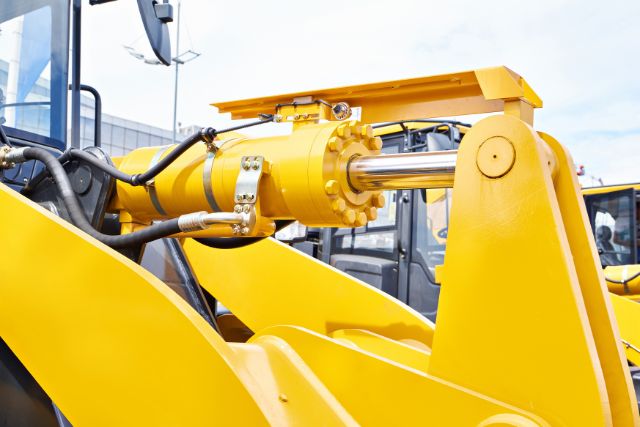
A hydraulic cylinder is a mechanical actuator that uses pressurized hydraulic fluid to produce linear motion and force. It is a key component in hydraulic systems and is commonly used in machines that require heavy-duty lifting or pushing power.

Hydraulic cylinders convert energy from hydraulic fluid into mechanical energy, allowing machinery to move with precision and power.

Common Applications of Hydraulic Cylinders in Singapore

Singapore’s dynamic industrial sector relies heavily on hydraulic cylinders for a wide range of applications, including:

  • Construction – Excavators, cranes, and bulldozers
  • Marine & Offshore – Winches, deck cranes, and stabilizing systems
  • Manufacturing – Presses, injection molding machines, and automation systems
  • Agriculture – Tractors, plows, and harvesters
  • Waste Management – Compactors, dump trucks, and hydraulic arms

Given Singapore’s emphasis on automation and high-performance equipment, demand for reliable hydraulic cylinder solutions continues to rise.

Types of Hydraulic Cylinders

Understanding the different types of hydraulic cylinders can help you select the right one for your machinery:

1. Tie-Rod Cylinders
  • Common in industrial machinery
  • Easy to maintain and assemble
  • Suitable for moderate pressure levels
2. Welded Body Cylinders
  • Compact and robust design
  • Ideal for mobile equipment and heavy-duty use
  • More durable and leak-resistant
3. Telescopic Cylinders
  • Extend in multiple stages
  • Ideal for dump trucks and lifting equipment
4. Double-Acting Cylinders
  • Provide force in both directions
  • Often used in heavy machinery
5. Single-Acting Cylinders
  • Force is applied in one direction
  • Used in simpler systems like hydraulic jacks


Hydraulic Cylinder Servicing and Repair in Singapore

Regular servicing of hydraulic cylinders is essential to ensure optimal performance, prevent breakdowns, and extend equipment lifespan. Singapore-based industries prioritize preventive maintenance due to the high cost of downtime.

Common Services Include:

If your system is experiencing leaks, loss of pressure, or unusual noise, it may be time for professional hydraulic cylinder repair or overhaul.


Choosing the Right Hydraulic Cylinder Supplier in Singapore

With numerous manufacturers and suppliers available, here’s what to look for:

Local Expertise

Choose a company familiar with Singapore’s industrial regulations and equipment standards.

Quality Materials

Ensure they use high-grade steel and wear-resistant seals to withstand harsh working environments.

Customization Options

Find suppliers that can tailor the cylinder to your specific machinery or requirements.

After-Sales Support

Reliable customer service, technical support, and spare parts availability are crucial for long-term success.

OEM vs. Aftermarket Hydraulic Cylinders

In Singapore, businesses often choose between OEM (Original Equipment Manufacturer) and aftermarket hydraulic cylinders.

  • OEM Cylinders: Best for brand-new machines and guaranteed compatibility.
  • Aftermarket Cylinders: Cost-effective and suitable for older equipment or budget-conscious repairs.

High-quality aftermarket cylinders can match OEM performance when sourced from reputable suppliers.


Why Choose Local Hydraulic Cylinder Providers in Singapore?

  • Faster Lead Times – Quick delivery and onsite support
  • Localized Service – Technicians understand the climate, machinery, and industrial needs
  • Cost-Efficiency – Avoid high shipping and import costs
  • Customized Solutions – Built to match Singapore’s diverse industries


Future Trends in Hydraulic Cylinder Technology

Hydraulic system are evolving, and Singapore is at the forefront of adopting innovations such as:

  • Smart hydraulic systems with sensors for predictive maintenance
  • Eco-friendly hydraulic fluids for sustainable operations
  • Electro-hydraulic actuators for hybrid applications

Staying updated with these trends ensures your business remains competitive and compliant.


Conclusion: Find the Best Hydraulic Cylinder in Singapore

Whether you’re in construction, marine, manufacturing, or logistics, investing in high-quality hydraulic cylinders in Singapore is key to your operation’s efficiency and safety.

Look for a trusted local supplier who offers:

  • Durable products
  • Fast servicing
  • Expert consultation
  • Customization and support


Hydraulic Cylinder Singapore: A Complete Guide for Industrial Applications Read More »

Hydraulic system

Hydraulic System Explained: How It Works and Why It Matters

What Is a Hydraulic System?

A hydraulic system is a closed, pressurized setup that uses incompressible fluid—typically hydraulic oil—to transmit force and motion. At its core, it includes key components such as a pump, fluid reservoir, control valves, actuators (cylinders or motors), and fluid lines. When the pump drives fluid through the system, the pressure is used to move pistons or motors, converting fluid energy into precise linear or rotary motion.

How Does a Hydraulic System Work?

Hydraulic systems operate based on Pascal’s Law, which states that pressure applied to a confined fluid is transmitted equally in all directions. This allows a small force applied at one point to generate a much larger force elsewhere—ideal for moving heavy loads with minimal effort. As the pressurized fluid flows through control valves and into an actuator, it enables efficient, smooth, and controlled movement of mechanical parts.

Why Hydraulic Systems Matter

From construction machinery, automotive brakes, and industrial presses, to aircraft control systems, hydraulic systems are critical for applications that demand high power, accuracy, and reliability. Their ability to amplify force, maintain precise motion, and operate under extreme conditions makes them indispensable in manufacturing, aerospace, agriculture, and more.


Core steps:

  1. Pump pressurizes the fluid.
  2. Pressurized fluid flows through valves.
  3. Fluid reaches the hydraulic cylinder or motor.
  4. Cylinder or motor performs work (e.g., lifting, pushing).


Main Components of a Hydraulic System

  1. Hydraulic Pump: Converts mechanical energy into hydraulic energy.
  2. Hydraulic Fluid: Transfers energy and lubricates components.
  3. Hydraulic Cylinder: Converts fluid pressure into linear motion.
  4. Hydraulic Cylinder Parts: Includes piston, rod, seals, and cylinder barrel.
  5. Valves: Control the flow and direction of the fluid.
  6. Reservoir: Stores the hydraulic fluid.
  7. Filters: Remove contaminants from the fluid.


Hydraulic Cylinder Parts in Focus The hydraulic cylinder is at the heart of the system, turning hydraulic energy into linear mechanical force. Key hydraulic cylinder parts include:

  • Cylinder Barrel: Houses the piston and fluid.
  • Piston: Separates fluid chambers and transmits force.
  • Rod: Connects the piston to the machinery.
  • Seals: Prevent fluid leakage.
  • End Caps: Secure the piston within the barrel.

Choosing high-quality hydraulic cylinder parts is essential to system performance and longevity. Inferior parts can lead to leaks, inefficiencies, and frequent breakdowns.


Types of Hydraulic Systems

  • Open-loop System: Fluid returns to the reservoir after use.
  • Closed-loop System: Fluid circulates continuously in a loop.
  • Hydrostatic System: Controls speed and torque using fluid pressure.
  • Hydrodynamic System: Focuses on fluid velocity and flow.


Applications of Hydraulic Systems Hydraulic systems are used across various sectors:

  • Construction: Excavators, bulldozers, cranes.
  • Manufacturing: Presses, injection molding machines.
  • Automotive: Brakes, power steering.
  • Aerospace: Landing gear, flight control systems.
  • Agriculture: Tractors, harvesters.


Roof Screw Installation Guide (related keyword section) If you’re working with hydraulic machinery in roofing applications, precision tools matter. Using the correct fasteners like self-tapping roofing screws and metal roof screws ensures safety and durability. A proper roof screw installation guide will recommend the right torque settings and insertion angles. Matching fasteners with hydraulic-powered tools optimizes speed and consistency.


Benefits of Using a Hydraulic System

  • High power-to-size ratio.
  • Smooth, consistent motion.
  • Easy control of force and speed.
  • Durable under heavy loads.
  • Scalable for small or large systems.


Maintenance Tips for Hydraulic Systems

  • Regularly inspect hydraulic fluid levels.
  • Check for leaks around cylinder seals and hoses.
  • Replace hydraulic cylinder parts when worn.
  • Use clean, high-grade fluid.
  • Monitor system temperature and pressure.


Why O.E. Manufacturing Is the Best for Hydraulic Systems When it comes to reliability, performance, and support, O.E. Manufacturing stands out as a top provider of hydraulic systems and hydraulic cylinder parts. Their solutions are engineered to meet the toughest industrial demands, offering superior durability, expert technical support, and custom-fit options for specialized applications.

With years of experience and a focus on quality, O.E. Manufacturing ensures your machinery operates efficiently and safely. Whether you’re upgrading existing equipment or building new systems, trust O.E. Manufacturing for the best hydraulic solutions.


Conclusion Hydraulic systems power many of the machines and tools we rely on daily. From construction sites to factory floors, they deliver unmatched strength and precision. Understanding how these systems work and maintaining their core components, especially hydraulic cylinder parts, is key to operational success.

For reliable, high-quality hydraulic systems that exceed expectations, O.E. Manufacturing is your trusted partner. Visit https://oemspore.com/ to learn more about their products and services.

Hydraulic System Explained: How It Works and Why It Matters Read More »

Hydraulic ram

Hydraulic Ram Applications and Technology in Singapore

Hydraulic ram: A motor‑free water pump that uses the energy of flowing water and the water hammer effect to lift a portion of that water uphill—cycling waste and delivery valves to convert kinetic energy into pressure, enabling sustainable water transport without external power.

Hydraulic systems are widely implemented across various industries in Singapore, especially in construction, marine, manufacturing, and heavy machinery sectors. One of the key components used in these systems is the hydraulic ram.

A hydraulic ram (or ram pump) is a simple, motor‑free device that harnesses the kinetic energy of running water to pump a smaller volume of water uphill, without any external power source. It works through a repeated cycle involving two valves—a waste valve and a delivery check valve—and a pressure chamber. When water flowing down the drive pipe closes the waste valve, it creates a sudden pressure surge (water hammer) that opens the delivery valve, pushing water into the delivery line. Once the flow reverses, the check valve closes, the waste valve reopens, and the cycle repeats—continuously lifting water as long as water flows downhill.

This mechanism is eco-friendly, low-maintenance, and highly durable, making it ideal for remote irrigation, livestock watering, or off-grid applications. Typical efficiencies range from 60–80%, with the pumped volume depending on the ratio of delivery to supply head.

A hydraulic ram functions as a linear actuator that converts fluid pressure into mechanical force. It is typically designed as a single-acting or double-acting cylinder, depending on the required application. In operation, pressurized hydraulic fluid enters the ram chamber, pushing the piston to extend or retract, depending on the flow path controlled by directional valves.

In Hydraulic Singapore industrial applications, hydraulic rams are commonly used in:

  • Excavators and lifting equipment for boom and arm articulation

  • Hydraulic presses for forming, bending, or punching operations

  • Automated production systems where precise linear motion is required

  • Dockyard and marine systems for hatch opening and steering gear movement

  • Injection molding machines for controlled pressure during injection cycles

Hydraulic rams in Singapore must comply with high standards due to the operating environments. Material selection, typically chrome-plated steel or stainless steel, ensures durability under high-pressure conditions. Seal kits are selected based on fluid compatibility and temperature ranges to prevent internal leakage and maintain system efficiency.

Routine inspection and maintenance are critical to ensure the long-term functionality of a hydraulic ram. Maintenance tasks include checking for rod scoring, seal wear, and alignment issues. Pressure testing is also performed periodically to ensure performance under load.

Companies specializing in Hydraulic Singapore solutions often provide custom hydraulic ram fabrication, on-site troubleshooting, and system integration support. Given Singapore’s emphasis on precision engineering and automated systems, demand for reliable and high-performance hydraulic rams remains strong across the region.

Hydraulic Ram Applications and Technology in Singapore Read More »

Hydraulic cylinder parts

Why Regular Hydraulic Cylinder Servicing and Quality Parts Matter for System Performance

Hydraulic cylinder parts play a vital role in the performance and reliability of heavy-duty equipment used across industries like construction, mining, agriculture, and manufacturing. These parts form the backbone of hydraulic systems, enabling cylinders to deliver the powerful linear motion needed to lift, press, or move heavy loads with precision.

To keep your machinery operating efficiently, regular hydraulic cylinder servicing is crucial. It helps detect early signs of wear, prevents breakdowns, and extends the life of your equipment. Using high-quality hydraulic cylinder parts during servicing or repair is equally important to ensure consistent performance and long-term durability.

In this article, we’ll dive into the importance of hydraulic cylinder servicing, identify the most commonly worn components, and show how proactive maintenance using the right parts can reduce costly downtime and protect your investment.


What Is Hydraulic Cylinder Servicing?

Hydraulic cylinder servicing is a preventive and corrective process that involves inspecting, maintaining, and repairing hydraulic cylinders to keep them in optimal working condition.

Servicing typically includes:

  • Visual inspections
  • Fluid leak checks
  • Seal and rod assessments
  • Pressure and functionality testing
  • Replacement of worn hydraulic cylinder parts

This process can be carried out as part of scheduled equipment maintenance or in response to decreased performance, unusual noises, or hydraulic fluid leaks.


Why Is Hydraulic Cylinder Servicing Important?

Hydraulic systems operate under high pressure and are subject to intense mechanical stress. Without regular servicing, minor wear and tear can turn into serious problems like:

  • Cylinder failure
  • Hydraulic fluid contamination
  • Equipment downtime
  • Damaged seals and pistons
  • Unsafe operating conditions

Routine hydraulic cylinder servicing ensures that issues are identified and resolved early, minimizing operational disruptions and extending the lifespan of both the cylinder and the overall system.


Key Hydraulic Cylinder Parts That Require Attention

To understand the importance of servicing, it’s helpful to know which hydraulic cylinder parts typically require maintenance or replacement:

1. Cylinder Rod

The rod is the visible component that moves in and out of the cylinder. If it becomes scratched, bent, or corroded, it can damage internal seals and cause leaks. Servicing often includes polishing or replacing worn rods.

2. Seals and O-Rings

These are crucial for maintaining pressure and preventing hydraulic fluid leaks. Seals degrade over time due to heat, pressure, and contamination. Replacing seals during servicing ensures system integrity.

3. Piston

The piston separates pressure zones within the cylinder and creates force through hydraulic pressure. Wear or scoring on the piston affects cylinder efficiency and needs immediate attention.

4. Cylinder Barrel

The inner surface of the barrel must remain smooth and undamaged to support proper piston movement. Any damage to the barrel may require honing or full replacement.

5. End Caps and Mounts

These parts help secure the cylinder and connect it to the machinery. Cracks or deformations in these parts can impact cylinder alignment and motion.

Using high-quality hydraulic cylinder parts for replacements ensures that your equipment runs reliably and safely.


Benefits of Regular Hydraulic Cylinder Servicing

✅ Extended Equipment Life

Routine servicing prevents excessive wear and delays the need for full cylinder replacement, thus extending the operational life of your hydraulic system.

✅ Reduced Downtime

Early detection of issues—such as minor fluid leaks or worn seals—can prevent catastrophic breakdowns, keeping your machines operational when you need them most.

✅ Cost Savings

Replacing small parts early is significantly less expensive than replacing an entire hydraulic cylinder or dealing with equipment failure during critical operations.

✅ Improved Safety

Hydraulic malfunctions can be hazardous. Keeping the cylinders in good condition ensures safe operation for both the equipment and the operator.

✅ Optimized Performance

Well-serviced cylinders maintain proper pressure and alignment, which improves machine responsiveness, speed, and power output.


Signs You Need Hydraulic Cylinder Servicing

Don’t wait for complete failure to act. These signs often indicate that it’s time to schedule hydraulic cylinder servicing:

  • Visible fluid leaks near the rod or barrel
  • Jerky or uneven cylinder motion
  • Unusual hissing or knocking noises
  • Decreased force or speed in cylinder movement
  • Overheating of the hydraulic system
  • Contaminated or foamy hydraulic fluid

Catching these early can save your business from operational headaches and expensive repairs.


Choosing the Right Hydraulic Cylinder Parts for Replacement

Not all parts are created equal. When servicing your hydraulic cylinders, always choose parts that meet or exceed OEM specifications. Using substandard components can cause:

  • Premature failure
  • Increased wear on surrounding parts
  • Reduced efficiency and reliability
  • Voided equipment warranties

Trusted suppliers like OEMSpore offer premium hydraulic cylinder parts that are engineered for durability and precision.

When choosing parts, consider:

  • Compatibility with your equipment model
  • Material quality (e.g., hardened steel rods, Viton seals)
  • Manufacturer reputation
  • Availability of technical support or warranty


In-House vs. Professional Hydraulic Cylinder Servicing

While minor maintenance tasks (like fluid checks or external cleaning) can be done in-house, most businesses benefit from hiring experts for professional servicing. Here’s why:

  • Technicians have specialized tools for disassembly and pressure testing.
  • They can identify hidden damage that may be missed by the untrained eye.
  • Professionals ensure accurate reassembly and calibration.
  • They offer access to genuine hydraulic cylinder parts and machining services.

Partnering with a professional service provider ensures peace of mind and reliable, long-term equipment performance.


Final Thoughts

Hydraulic cylinders are a core component of your heavy machinery and equipment. Investing in hydraulic cylinder servicing is one of the smartest ways to avoid breakdowns, extend equipment life, and improve system efficiency. By using only the best hydraulic cylinder parts, you can trust that your machines will continue to perform under pressure—literally.

Whether you need routine servicing, emergency repairs, or replacement parts, partnering with a reliable supplier like OEMSpore ensures your hydraulic systems stay in top condition.

Looking for expert hydraulic servicing or high-quality parts?
Contact O.E. Manufacturing today for fast support, OEM-grade components, and trusted service across all industries.


Why Regular Hydraulic Cylinder Servicing and Quality Parts Matter for System Performance Read More »

Hydraulic cylinder repair

How Hydraulic Cylinder Repair Saves Your Hydraulic System from Costly Downtime

In industries where machinery plays a vital role—such as construction, agriculture, mining, and manufacturing—the hydraulic system is the lifeblood of productivity. At the core of this system are hydraulic cylinders, responsible for generating the force and movement that drive essential equipment. When a hydraulic cylinder fails, it can bring your entire operation to a standstill. That’s why hydraulic cylinder repair is not just a fix—it’s a critical strategy for preventing downtime and ensuring smooth, safe operations.

In this article, we’ll explore how timely repair of hydraulic cylinders can significantly impact your bottom line, improve efficiency, and keep your hydraulic system in top condition.


Understanding the Role of Hydraulic Cylinders

A hydraulic cylinder is a mechanical actuator that uses pressurized fluid to create linear motion and force. It’s a crucial component in machines like excavators, forklifts, presses, and cranes. Hydraulic cylinders perform heavy lifting, pushing, and pulling with precision and consistency.

The reliability of your hydraulic system depends on how well each component, especially the cylinder, is maintained. Even minor damage to the cylinder rod, seals, or piston can cause hydraulic failure and operational delays.


The Cost of Ignoring Hydraulic Cylinder Issues

A leaking or malfunctioning cylinder can reduce pressure within the hydraulic system, forcing the equipment to work harder. This leads to:

  • Slower machine performance
  • Higher fuel or power consumption
  • Risk of complete hydraulic system failure
  • Costly downtime and missed deadlines
  • Expensive component replacements

In high-demand industries, even one hour of unplanned downtime can result in significant financial loss. That’s why it’s important to prioritize hydraulic cylinder repair as part of your preventive maintenance plan.


Signs Your Hydraulic Cylinder Needs Repair

Early detection of issues can help you avoid major repairs or full system breakdowns. Here are some common warning signs:

  1. Fluid Leaks: Hydraulic oil leaking around the rod seals or cylinder body indicates internal seal failure.
  2. Unusual Noises: Clunking, hissing, or whining sounds often point to internal air leaks or damaged seals.
  3. Reduced Force or Speed: A weak or sluggish cylinder may be losing pressure internally due to piston wear or seal leakage.
  4. Overheating: When the hydraulic system is under excessive strain, it heats up, leading to fluid degradation and further damage.
  5. Bent or Damaged Rods: A misaligned rod can scrape cylinder walls and cause inefficient movement or total seizure.

Ignoring these signs can put stress on the entire hydraulic system, creating a chain reaction of failures.


The Hydraulic Cylinder Repair Process

Understanding what happens during a professional hydraulic cylinder repair can help you make informed decisions and evaluate service providers effectively.

Step 1: Inspection & Diagnosis

Technicians begin by disassembling the cylinder and checking all components for visible wear, cracks, or damage. The root cause of the issue is identified.

Step 2: Precision Disassembly

The cylinder is carefully taken apart. Components like the rod, piston, seals, and head are cleaned and prepared for further inspection.

Step 3: Part Replacement or Re-Machining

Worn-out parts, especially seals and rods, are either replaced with OEM-standard parts or re-machined to meet exact tolerances.

Step 4: Surface Refinishing

The cylinder bore and piston rod are polished to remove imperfections, improving seal performance and reducing friction.

Step 5: Reassembly & Pressure Testing

The cylinder is rebuilt using new seals and lubricants. It is then pressure tested to ensure it meets operational standards without leaks or inefficiencies.


Benefits of Timely Hydraulic Cylinder Repair

Investing in hydraulic cylinder repair before a full failure occurs offers several operational advantages:

1. Reduced Downtime

Repairing a failing cylinder early prevents larger breakdowns that can immobilize your equipment for days or weeks.

2. Lower Repair Costs

A simple seal replacement is far more affordable than replacing a damaged rod, bore, or entire cylinder assembly.

3. Extended Equipment Lifespan

Well-maintained hydraulic cylinders operate longer, reducing the frequency of replacement and increasing your return on investment.

4. Improved Hydraulic System Efficiency

A repaired cylinder ensures proper pressure and flow throughout the system, boosting performance and productivity.

5. Safety Compliance

Leaking or malfunctioning cylinders can pose safety hazards. Repairing them promptly helps ensure compliance with workplace safety regulations.


Preventive Maintenance for Your Hydraulic System

Even the best hydraulic cylinder repair won’t prevent future issues unless paired with good maintenance practices. Here are a few tips to keep your hydraulic system healthy:

  • Monitor Fluid Levels: Check and refill hydraulic oil regularly.
  • Change Filters on Schedule: Dirty filters can cause fluid contamination and damage components.
  • Inspect Hoses and Seals: Look for wear, cracks, or bulges and replace as needed.
  • Test System Pressure: Ensure the system maintains optimal pressure to avoid overloading.
  • Use Clean, High-Quality Fluids: Contaminated fluids are the most common cause of hydraulic system failure.

By incorporating regular checks and service schedules, you can significantly reduce the need for emergency repairs.


Choosing the Right Hydraulic Cylinder Repair Partner

Not all repair services are equal. Choose a provider that offers:

  • Experienced technicians
  • Quick turnaround times
  • Access to OEM-quality parts
  • Advanced testing equipment
  • Warranty on parts and labor

Your repair partner should understand the specifications of your equipment and provide documentation of all work performed.


Conclusion

When it comes to maintaining your hydraulic system, proactive care beats reactive fixes every time. Hydraulic cylinder repair is more than just patching leaks—it’s about preserving performance, preventing failure, and protecting your investment.

Don’t wait for a breakdown to take action. Whether you’re running heavy-duty construction machinery or industrial manufacturing lines, regular inspection and timely repairs will keep your hydraulic system running smoothly and save your business from costly downtime.


How Hydraulic Cylinder Repair Saves Your Hydraulic System from Costly Downtime Read More »

Hydraulic cylinder Singapore

Hydraulic Solutions for the Marine and Offshore Industry in Singapore

The Role of Hydraulic Cylinder Singapore in the Marine & Offshore Sector

Hydraulic cylinder Singapore plays a crucial role in the country’s marine and offshore industries, ensuring efficiency, safety, and reliability in shipbuilding, oil and gas, and maritime operations. With Singapore’s strategic location and world-class infrastructure, the demand for high-performance hydraulic systems continues to grow.

From hydraulic winches and cranes to steering systems and drilling rigs, high-quality hydraulic cylinders are essential for harsh marine environments where performance and durability are critical.


Why Hydraulic Systems are Essential for Marine & Offshore Applications

1. High Load Capacity & Power Efficiency

🚢 Hydraulic Singapore solutions provide high force output with compact system design, making them ideal for heavy-duty marine applications.

2. Corrosion Resistance & Longevity

🌊 Marine environments expose equipment to saltwater, humidity, and extreme weather conditions. Hydraulic cylinders Singapore manufacturers use corrosion-resistant materials like stainless steel and special coatings to enhance durability.

3. Precision & Control

Hydraulic control systems offer smooth and precise movement, which is critical for applications like ship steering, stabilizers, and mooring systems.

4. Reliability in Harsh Environments

⛽ Offshore oil rigs and marine vessels require hydraulic systems that can withstand intense pressures, high vibrations, and continuous operations.


Key Hydraulic Applications in Singapore’s Marine & Offshore Industry

1. Hydraulic Winches & Cranes

🔹 Used for lifting heavy loads on ships, offshore platforms, and dockyards.
🔹 Designed for high torque, precision control, and safety.

2. Ship Steering & Stabilization Systems

🔹 Hydraulic cylinders in Singapore power rudders, stabilizers, and trim systems for smooth navigation.
🔹 Ensures better maneuverability and stability in rough seas.

3. Offshore Drilling & Oil Rig Equipment

🔹 Hydraulic Singapore solutions are used in drilling rigs, blowout preventers, and hydraulic jacks.
🔹 Critical for deep-sea oil exploration and extraction.

4. Hydraulic Mooring Systems & Anchor Handling

🔹 Provides strong and reliable mooring for ships, barges, and offshore platforms.
🔹 Ensures stability and safety during operations.

5. Hydraulic Hatch Covers & Cargo Handling Systems

🔹 Used for automated cargo doors and bulkhead movement.
🔹 Reduces manual labor and increases operational efficiency.


Choosing the Right Hydraulic System in Singapore

Selecting the best hydraulic cylinder Singapore provider is crucial to ensure:

Durability & Corrosion Resistance – Stainless steel and marine-grade coatings extend lifespan.
Precision Engineering – Smooth operation with minimal energy loss.
Custom Solutions – Designed to meet specific vessel or offshore requirements.
Low Maintenance Requirements – Reduces downtime and operational costs.

📌 Tip: Work with experienced hydraulic Singapore suppliers who specialize in marine and offshore applications.


O.E. Manufacturing: Your Trusted Partner for Hydraulic Solutions in Singapore

At O.E. Manufacturing, we provide high-performance hydraulic cylinders tailored for marine and offshore industries in Singapore. Our engineering expertise ensures:

Premium hydraulic components built for extreme conditions.
Custom-designed hydraulic systems for specific marine applications.
Expert technical support for installation, maintenance, and repairs.
ISO-certified manufacturing for guaranteed quality and performance.

💡 Need a reliable hydraulic solution for your marine or offshore operations? Contact O.E. Manufacturing today for tailor-made hydraulic systems in Singapore! 🚢⚙


Hydraulic Solutions for the Marine and Offshore Industry in Singapore Read More »

Hydraulic cylinder

The Importance of Quality Hydraulic Cylinders in Industrial Applications

Introduction: Why Hydraulic Cylinders Matter

A hydraulic cylinder is a crucial component in many industrial, construction, and manufacturing applications, providing the force needed to lift, push, pull, and move heavy loads with precision and efficiency. The quality of a hydraulic cylinder directly impacts the performance, durability, and safety of the entire hydraulic system.

In this article, we will explore the importance of high-quality hydraulic cylinders, their key components, and their applications across various industries.


What is a Hydraulic Cylinder?

A hydraulic cylinder is a mechanical actuator that converts hydraulic energy into linear motion and force. It operates based on Pascal’s Law, which states that pressure applied to a confined fluid is transmitted equally in all directions. This principle allows hydraulic cylinders to generate immense force with minimal input energy.


Key Features of a High-Quality Hydraulic Cylinder

Strong and durable materials (e.g., steel, aluminum, or stainless steel).
Precision machining for smooth operation and reduced friction.
High-quality seals to prevent leakage and extend lifespan.
Corrosion resistance for harsh environments.
Customizable designs to meet specific industrial needs.


Types of Hydraulic Cylinders

There are various types of hydraulic cylinders, each designed for specific applications.

1. Single-Acting Hydraulic Cylinder

🔹 Fluid pressure extends the piston, but it retracts via an external force (spring or load).
🔹 Ideal for lifting applications (e.g., car jacks, presses).

2. Double-Acting Hydraulic Cylinder

🔹 Hydraulic fluid powers both extension and retraction of the piston.
🔹 Used in construction, manufacturing, and industrial automation.

3. Telescopic Hydraulic Cylinder

🔹 Multi-stage design provides a longer stroke while maintaining a compact retracted length.
🔹 Common in dump trucks, cranes, and material handling equipment.

4. Welded Hydraulic Cylinder

🔹 Cylinder housing and end caps are welded for extra durability.
🔹 Suitable for high-pressure, heavy-duty industrial applications.

5. Tie-Rod Hydraulic Cylinder

🔹 Uses external tie rods for structural reinforcement.
🔹 Preferred for applications that require easy maintenance and repair.


Industries That Rely on Hydraulic Cylinders

1. Construction and Heavy Equipment

🏗️ Applications: Excavators, bulldozers, backhoes, and loaders.
💡 Why It Matters: Hydraulic cylinders provide the force needed for lifting, digging, and material handling.

2. Manufacturing and Automation

🏭 Applications: Press machines, robotics, assembly lines.
💡 Why It Matters: Precision and speed are crucial for efficient production.

3. Agriculture and Farming Equipment

🚜 Applications: Tractors, harvesters, and plows.
💡 Why It Matters: Hydraulic cylinders enhance efficiency in field operations.

4. Aerospace and Defense

Applications: Aircraft landing gear, missile launch systems.
💡 Why It Matters: Reliability and high-strength materials are essential for safety.

5. Marine and Offshore Operations

🚢 Applications: Ship steering systems, offshore drilling rigs.
💡 Why It Matters: Hydraulic cylinders must withstand harsh marine environments and high loads.


How to Choose a High-Quality Hydraulic Cylinder

To ensure optimal performance, selecting the right hydraulic cylinder involves several key considerations:

1. Load Capacity and Pressure Rating

📌 Ensure the cylinder can handle the maximum load and operating pressure required for your application.

2. Stroke Length and Bore Size

📌 Choose a suitable stroke length to accommodate movement needs.
📌 Larger bore sizes provide higher force output.

3. Material and Coating

📌 Hardened steel and chrome-plated rods increase durability.
📌 Corrosion-resistant coatings are essential for harsh environments.

4. Seal Quality and Leakage Prevention

📌 High-quality seals reduce fluid leakage and increase cylinder lifespan.
📌 Look for polyurethane or Viton seals for superior performance.

5. Maintenance and Repairability

📌 Cylinders with removable end caps allow for easy maintenance.
📌 Choose readily available spare parts to reduce downtime.


Common Issues with Low-Quality Hydraulic Cylinders

🔴 Seal Failure – Leads to fluid leakage and pressure loss.
🔴 Corrosion and Wear – Weakens structural integrity over time.
🔴 Internal Contamination – Causes blockages and reduced efficiency.
🔴 Misalignment – Results in uneven wear and mechanical failure.
🔴 Overheating – Affects hydraulic fluid properties, reducing performance.

💡 Solution: Invest in high-quality hydraulic cylinders from a trusted manufacturer like O.E. Manufacturing to avoid these costly issues.


Maintaining Your Hydraulic Cylinder for Longevity

Regular Inspection – Check for leaks, wear, and contamination.
Lubrication – Keep moving parts well-lubricated to reduce friction.
Fluid Maintenance – Use clean, high-quality hydraulic fluid.
Seal Replacement – Change worn seals to prevent leakage.
Proper Storage – Store cylinders in a clean, dry environment when not in use.

📌 Following these maintenance practices can extend the lifespan of your hydraulic cylinder, ensuring optimal performance and reduced downtime.


Why Choose O.E. Manufacturing for Hydraulic Cylinders?

At O.E. Manufacturing, we specialize in high-performance hydraulic cylinders tailored for various industrial applications. Our commitment to quality and innovation ensures:

Precision engineering for superior performance.
Heavy-duty materials for maximum durability.
Custom solutions to fit unique industrial needs.
Strict quality control for reliable and safe operation.
Expert support and after-sales service.

📞 Contact O.E. Manufacturing today to get the best hydraulic cylinder solutions for your business! 🚀

The Importance of Quality Hydraulic Cylinders in Industrial Applications Read More »

Hydraulic cylinder overhaul

Hydraulic Cylinder Overhaul: A Complete Guide to Restoring Performance and Extending Lifespan

What Is a Hydraulic Cylinder Overhaul?

A hydraulic cylinder overhaul is a comprehensive process of inspecting, repairing, and restoring a hydraulic cylinder to its optimal working condition. Over time, hydraulic cylinders experience wear and tear, leading to leaks, reduced efficiency, and potential failure. A proper overhaul helps extend the lifespan, improve performance, and reduce costly downtime in industrial, construction, and mobile hydraulic systems.


Key Signs That Your Hydraulic Cylinder Needs an Overhaul

Fluid Leaks – Hydraulic oil seeping from seals, ports, or cylinder body.
Loss of Power – Reduced force output due to worn-out seals or internal leakage.
Jerky or Slow Movements – Indicates contamination, air pockets, or damaged components.
Corrosion or Pitting – Affects cylinder integrity and may lead to failure.
Excessive Wear on Rod or Barrel – Causes misalignment and inefficiencies.


Step-by-Step Process

1. Disassembly and Inspection

The first step in an overhaul is a complete disassembly of the hydraulic cylinder to inspect all components for wear, damage, or contamination.

🔧 Key Checks During Inspection:

  • Examine piston rod for bending, scoring, or corrosion.
  • Check cylinder barrel for scratches or internal wear.
  • Inspect seals, O-rings, and gaskets for leaks and deterioration.
  • Look for dirt, debris, or metal particles that could cause system failure.
2. Cleaning and Component Replacement

All parts must be thoroughly cleaned to remove contaminants, ensuring smooth operation after reassembly.

🧼 Cleaning Process:

  • Use industrial-grade solvent to clean metal parts.
  • Remove rust and corrosion using appropriate treatments.
  • Replace all seals, O-rings, and worn-out parts with high-quality replacements.
3. Repairing or Replacing Damaged Parts

If critical components such as the piston rod, barrel, or mounting parts are heavily damaged, they must be either repaired or replaced.

⚙️ Common Repairs Include:

  • Regrinding and re-chroming the piston rod for a smooth finish.
  • Honing or re-sleeving the cylinder barrel to remove scratches.
  • Machining new components if existing parts are beyond repair.
4. Reassembly and Seal Installation

Once all components are cleaned, repaired, and inspected, the cylinder is reassembled using new seals and gaskets.

🔩 Key Steps in Reassembly:

  • Install new seals and O-rings in the correct orientation.
  • Ensure proper lubrication for smooth movement and minimal friction.
  • Reassemble components in the correct order to maintain performance.
5. Testing and Quality Assurance

Before the overhauled hydraulic cylinder is reinstalled, it must undergo rigorous testing to ensure it meets performance standards.

🛠 Testing Includes:

  • Pressure Testing: To check for leaks under operating pressure.
  • Load Testing: Ensuring the cylinder can handle required force loads.
  • Movement Testing: Checking for smooth operation without jerks or hesitation.


Benefits of Hydraulic Cylinder Overhaul

🔹 Extends Equipment Lifespan – Reduces the need for costly replacements.
🔹 Improves Efficiency – Ensures smooth operation and power output.
🔹 Prevents Unexpected Failures – Reduces downtime and operational risks.
🔹 Cost-Effective Solution – Overhauling is significantly cheaper than replacing the entire cylinder.
🔹 Enhances Safety – Prevents hazardous hydraulic system failures.


How Often Should You Overhaul a Hydraulic Cylinder?

The frequency of hydraulic cylinder overhauls depends on several factors, including operating conditions, load cycles, and environmental exposure.

📆 Recommended Overhaul Intervals:
Heavy-duty applications (Construction, Mining, Industrial): Every 1-2 years or 5,000-10,000 hours.
Moderate usage (Agriculture, Manufacturing): Every 2-3 years or 10,000-15,000 hours.
Light-duty applications: Every 3-5 years, depending on performance.

🛑 Emergency Overhaul Needed If:

  • Sudden fluid leaks occur.
  • Cylinder fails to extend or retract properly.
  • There is a loss of hydraulic pressure.


How to Choose the Right Hydraulic Cylinder Overhaul Service

When selecting a professional hydraulic cylinder overhaul provider, prioritize those who offer:

Certified Technicians – Skilled in hydraulic cylinder repair and thorough testing. 
Premium Replacement Parts – Using OEM or top-quality components.
State-of-the-Art Testing Facilities – Guaranteeing performance and durability.
Fast Turnaround – Reducing equipment downtime effectively.

Why Choose O.E. Manufacturing for Hydraulic Cylinder Overhaul?

🔧 O.E. Manufacturing specializes in comprehensive hydraulic cylinder overhauls, ensuring:
Precision engineering for peak performance.
High-quality seals and components to prevent future failures.
Thorough testing to meet industry standards.
Fast and reliable service to minimize downtime.

📞 Contact O.E. Manufacturing today for the best hydraulic cylinder overhaul services, hydraulic cylinder parts and keep your equipment running at its best! 🚀

Hydraulic Cylinder Overhaul: A Complete Guide to Restoring Performance and Extending Lifespan Read More »

Hydraulic Cylinder Parts

Understanding Hydraulic Cylinder Parts: A Detailed Breakdown of Components, Functions, and Materials

Introduction to Hydraulic Cylinder Parts

A hydraulic cylinder is a mechanical actuator that converts hydraulic energy into linear motion and force. It consists of multiple precision-engineered components that work together to ensure smooth and efficient operation. Understanding the key hydraulic cylinder parts, their functions, and materials is essential for maintenance, troubleshooting, and optimizing performance in industrial, construction, and mobile hydraulic applications.


1. Cylinder Barrel (Tube) – Structural Housing of the Cylinder

Function:

The cylinder barrel or tube is the main body of a hydraulic cylinder, designed to withstand high-pressure fluid forces while guiding the piston movement.

Material Selection:
  • Cold-drawn seamless steel (most common for durability and high-pressure resistance).
  • Stainless steel (used in corrosive environments, such as marine and chemical applications).
  • Aluminum alloys (for lightweight applications with lower pressure requirements).
Key Considerations:
  • The inner surface is honed or polished to reduce friction and improve seal life.
  • Must resist internal pressure and mechanical stress without deformation.


2. Piston – The Force-Transmitting Component

Function:

The piston divides the hydraulic cylinder into two pressure chambers and transfers hydraulic force to generate motion.

Material Selection:
  • Hardened steel (for heavy-duty applications requiring high strength).
  • Aluminum (for lightweight cylinders with lower loads).
Key Considerations:
  • Requires precise machining to maintain a close fit with the cylinder bore.
  • Often features wear-resistant coatings to prevent scoring and galling.

3. Piston Rod – Transmitting Force to the Load

Function:

The piston rod is a high-strength component that extends and retracts, transmitting force from the piston to the external load.

Material Selection:
  • Chrome-plated carbon steel (for corrosion and wear resistance).
  • Stainless steel (for marine and chemical industries).
Key Considerations:
  • Must have high tensile strength to resist bending under load.
  • Surface finish and chrome plating are essential to minimize seal wear.


4. Seals and O-Rings – Preventing Leaks and Ensuring Efficiency

Function:

Seals and O-rings prevent hydraulic fluid leakage, maintain pressure, and minimize internal friction.

Types of Seals:
  1. Rod Seals – Prevent fluid from escaping along the piston rod.
  2. Piston Seals – Separate pressure chambers to enable efficient force transfer.
  3. Wiper Seals (Scrapers) – Remove dirt and contaminants from the rod surface.
  4. Static Seals (O-Rings & Backup Rings) – Seal non-moving components like the end cap and barrel interface.
Material Selection:
  • Nitrile (NBR): General-purpose hydraulic seal material.
  • Polyurethane (PU): High wear resistance and flexibility.
  • Fluorocarbon (Viton®): High-temperature and chemical resistance.
Key Considerations:
  • Seals must be compatible with hydraulic fluid type and operating temperature.
  • Proper lubrication extends seal life and reduces friction.


5. Cylinder Head (End Cap) – Securing Internal Components

Function:

The cylinder head (or end cap) encloses one end of the cylinder and holds the rod seal and wiper seal in place.

Material Selection:
  • Steel or cast iron (for high-pressure applications).
  • Aluminum (for weight-sensitive applications).
Key Considerations:
  • Must be precisely machined to fit tightly and prevent leakage.
  • Often includes ports for hydraulic fluid entry and exit.


6. Cylinder Base (Cap) – Closing the Rear End of the Cylinder

Function:

The cylinder base (rear cap) encloses the rear of the hydraulic cylinder and serves as a mounting point for attachment to machinery.

Material Selection:
  • Steel or cast iron for strength and pressure resistance.
Key Considerations:
  • Must withstand high-pressure hydraulic forces without deformation.
  • Often threaded or bolted to the barrel for a secure fit.


7. Bearings and Bushings – Reducing Friction and Wear

Function:

Bearings and bushings support the piston rod, ensuring smooth linear movement while reducing friction and side loading.

Material Selection:
  • Bronze or brass (self-lubricating and wear-resistant).
  • Polymer-based materials (low friction and lightweight).
Key Considerations:
  • Prevent excessive rod wear and misalignment issues.
  • Must be lubricated to prevent premature failure.


8. Hydraulic Ports – Fluid Inlet and Outlet

Function:

Hydraulic ports serve as entry and exit points for hydraulic fluid, allowing pressure control and movement.

Types of Ports:
  • Threaded ports (common in industrial applications).
  • Flanged connections (used in heavy-duty hydraulic systems).
  • Quick-connect fittings (for mobile applications).
Key Considerations:
  • Must be correctly sized to ensure optimal flow rate and pressure balance.
  • Improper port selection can cause flow restriction and cavitation issues.


9. Mounting Options – Securing the Cylinder to the Machine

Function:

Mounting components ensure the hydraulic cylinder is securely attached to the machine or structure for efficient force transfer.

Common Mounting Types:
  • Flange Mounting – Provides rigid and stable attachment.
  • Clevis Mounting – Allows pivoting motion.
  • Trunnion Mounting – Supports angular movement.
Key Considerations:
  • Must align with the intended force direction to prevent side loads.
  • Should be robust enough to handle operating stresses.


Conclusion: Understanding Hydraulic Cylinder Parts for Optimal Performance

Each hydraulic cylinder part plays a crucial role in ensuring smooth and efficient operation. From the cylinder barrel and piston to seals and mounting components, understanding these elements helps improve system reliability, extend lifespan, and enhance performance.

For high-quality hydraulic cylinders and spare parts, O.E. Manufacturing offers precision-engineered solutions with:
Premium materials for durability and wear resistance.
Expert manufacturing to meet industry standards.
Customized solutions for specialized hydraulic applications.

Contact O.E. Manufacturing today for the best hydraulic cylinder parts and repair solutions! 🚀

Understanding Hydraulic Cylinder Parts: A Detailed Breakdown of Components, Functions, and Materials Read More »

Hydraulic power unit

Custom Hydraulic Power Unit: Tailored Solutions for Your Needs

Introduction: The Importance of a Custom Hydraulic Power Unit

A hydraulic power unit (HPU) is the heart of a hydraulic system, providing the necessary force and control for a wide range of industrial applications. From manufacturing and construction to marine and offshore operations, the efficiency and reliability of an HPU directly impact productivity, safety, and operational success. While standard hydraulic power units work for general applications, a custom hydraulic power unit (CHPU) offers optimized performance, enhanced efficiency, and tailored solutions to meet unique operational demands.


Why Choose a Custom Hydraulic Power Unit?

A custom hydraulic power unit is designed specifically for your system’s needs, considering factors such as pressure requirements, flow rates, environmental conditions, and available space. A well-designed CHPU ensures:

Optimized Performance – Delivers the exact power and flow needed for your system.
Increased Efficiency – Reduces energy consumption and operational costs.
Enhanced Reliability – Designed for your environment, ensuring longevity.
Space-Saving Design – Compact configurations for limited spaces.
Integration with Existing Systems – Seamless compatibility with machinery and controls.


Key Components of a Custom Hydraulic Power Unit

A custom hydraulic power unit consists of several key components, all of which can be tailored to meet specific application needs:

1. Hydraulic Pump

🔹 Converts mechanical energy into hydraulic power.
🔹 Available in gear, vane, or piston pump configurations.
🔹 Selection depends on pressure and flow requirements.

2. Electric Motor or Engine

🔹 Powers the hydraulic pump.
🔹 Options include electric motors, diesel engines, or gas engines.
🔹 Selection depends on power availability and operational environment.

3. Hydraulic Reservoir

🔹 Stores hydraulic fluid and helps in cooling and contamination control.
🔹 Custom sizes available based on system demand.
🔹 Designed with baffles, filters, and return lines for optimized performance.

4. Valves and Control System

🔹 Regulates pressure, flow, and direction of hydraulic fluid.
🔹 Includes pressure relief valves, solenoid valves, and proportional valves.
🔹 Can be manually operated, electronically controlled, or fully automated.

5. Heat Exchanger and Cooling System

🔹 Prevents overheating and maintains fluid viscosity.
🔹 Options include air-cooled or water-cooled systems.
🔹 Essential for high-duty-cycle applications.

6. Filters and Filtration System

🔹 Ensures clean hydraulic fluid to prevent system damage.
🔹 Includes return line filters, pressure filters, and breathers.
🔹 Customizable to meet ISO cleanliness standards.


Industries That Benefit from a Custom Hydraulic Power Unit

A custom hydraulic power unit is used in various demanding industries where standard solutions are insufficient.

1. Marine and Offshore

🚢 Applications: Winches, steering systems, deck cranes.
💡 Customization Needs: Corrosion-resistant materials, explosion-proof enclosures.

2. Industrial Manufacturing

🏭 Applications: Press machines, injection molding, metal forming.
💡 Customization Needs: Precision control, automation integration.

3. Construction and Heavy Equipment

🚜 Applications: Excavators, drilling rigs, pile drivers.
💡 Customization Needs: High-pressure output, compact designs for mobile applications.

4. Renewable Energy

🌱 Applications: Wind turbines, hydroelectric dams.
💡 Customization Needs: Eco-friendly fluids, energy-efficient designs.

5. Aerospace and Defense

Applications: Aircraft ground support equipment, defense systems.
💡 Customization Needs: High-reliability components, lightweight materials.


Designing a Custom Hydraulic Power Unit: Step-by-Step Process

1. System Analysis and Requirement Gathering

📌 Define pressure and flow requirements.
📌 Identify environmental conditions (temperature, humidity, exposure).
📌 Consider space constraints and integration needs.

2. Component Selection and Sizing

📌 Choose the right pump, motor, reservoir, and control valves.
📌 Ensure compatibility with hydraulic cylinder, actuators, and hoses.
📌 Optimize for efficiency, durability, and maintenance accessibility.

3. CAD Design and Simulation

📌 Utilize 3D CAD modeling to visualize the system.
📌 Perform fluid dynamics simulations to ensure optimal performance.
📌 Adjust design to minimize energy loss and heat generation.

4. Prototyping and Testing

📌 Build and assemble a prototype for testing.
📌 Conduct pressure and flow tests under real-world conditions.
📌 Verify safety standards and regulatory compliance.

5. Installation and Integration

📌 Deliver and install the HPU in the client’s system.
📌 Perform final calibration and optimization.
📌 Train operators on proper usage and maintenance.


How to Maintain a Custom Hydraulic Power Unit for Longevity

To maximize the lifespan and efficiency of a custom HPU, regular maintenance is essential:

Check fluid levels and top-up as needed.
Inspect for leaks in hoses and fittings.
Replace filters according to manufacturer guidelines.
Monitor operating temperature and adjust cooling if necessary.
Perform periodic pressure and flow tests.

🔧 Preventive maintenance minimizes unexpected failures and extends the life of your hydraulic power unit.


Why Choose O.E. Manufacturing for a Custom Hydraulic Power Unit?

O.E. Manufacturing specializes in high-performance custom hydraulic power units for a wide range of industrial applications. Our expertise in hydraulic engineering allows us to deliver:

Precision-engineered solutions tailored to your specific needs.
High-quality materials for maximum durability and reliability.
Advanced testing and quality control to ensure top performance.
Fast turnaround time for custom orders.
Comprehensive after-sales support for maintenance and upgrades.

📞 Contact O.E. Manufacturing today for a custom hydraulic power unit designed to enhance your system’s efficiency and performance! 🚀

Custom Hydraulic Power Unit: Tailored Solutions for Your Needs Read More »

Scroll to Top
× How can I help you?